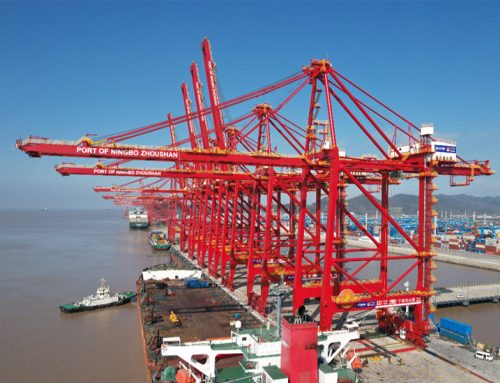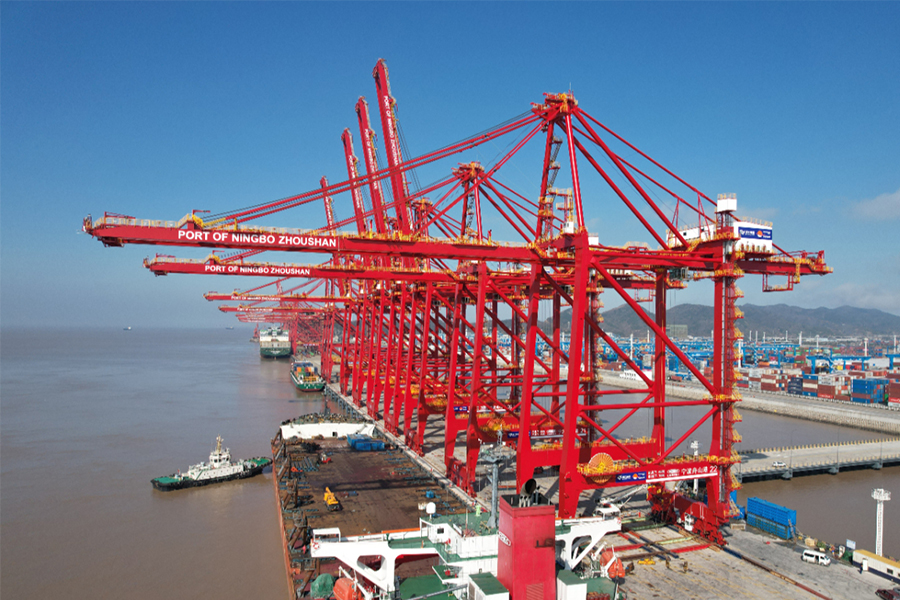

I. Why Inspection Is Essential in Shenzhen: The World’s 4th Largest Port + “China’s No. 1 Electronics Street”
| Industrial Belt | Core Product Categories | Common Quality Risks | Key Inspection Focus |
|---|---|---|---|
| Huaqiangbei (Futian) | 3C digital accessories, mobile phone components, TWS earbuds, smart glasses, AI hardware | Functional failure (pairing/charging), missing/mismatched accessories, counterfeit component substitution, cosmetic scratches | Full functional testing, item-by-item accessory verification, FCC/CE-RED wireless certification check, cosmetic AQL inspection |
| Longhua | EMS (Electronics Manufacturing Services), smartphones/tablets/smart terminals | Poor assembly, functional defects, inconsistent incoming materials, component substitution | First article inspection, During Production Inspection (DPI), functional and performance testing |
| Bao’an | Drones, consumer electronics, smart wearables, connectors and cables | Flight control/battery safety risks, structural integrity issues, missing certifications | Battery safety testing (UL/UN38.3), drop and structural testing, CE/FCC certification verification |
| Dachan Bay/Qianhai | Cross-border e-commerce export hub, LCL consolidation | Mixed/incorrect shipments, short shipment, moisture damage | Container Loading Supervision (quantity verification, seal photo documentation) |
| Yantian Port | North America/Europe route shipment hub | Short loading quantities, seal irregularities, incorrect shipping marks | On-site loading supervision, loading inspection report |
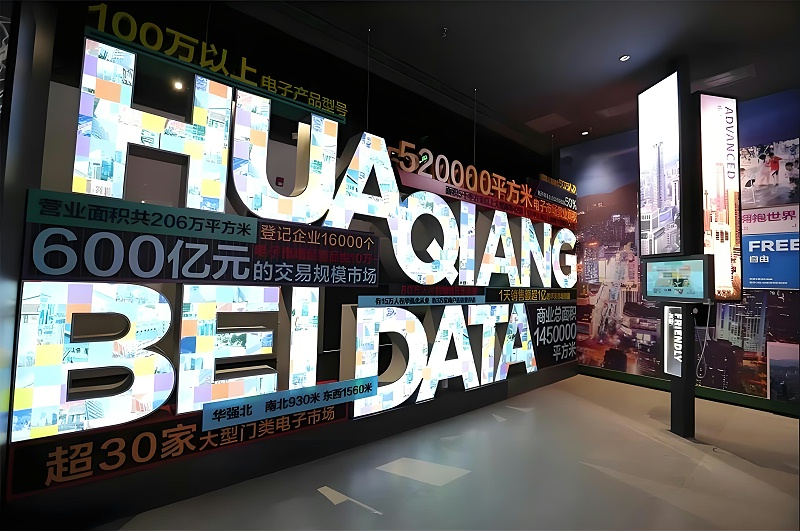
Special note on Huaqiangbei

II. Four Common Inspection Services in Shenzhen (Selected by Production Stage)
-
Initial / First Article Inspection (10%–20% of production complete)
Verifies that chip solutions, battery suppliers, and housing part numbers match the approved sample at Longhua OEM factories. Component substitution is the most prevalent form of fraud in 3C categories (using inferior ICs or batteries with misstated capacity). Early intervention detects issues while production can still be corrected.
-
During Production Inspection (DPI) (50%–60% of production complete)
Focuses on batch consistency for Huaqiangbei stall OEM production: SMT misalignment, cold solder joints, and functional defect rates tend to worsen in the latter half of production. Mid-production corrections avoid costly full-batch rework.
-
Pre-Shipment Inspection (PSI) (80%–100% complete, 3–7 days before loading)
The most popular and cost-effective inspection type. Sampling follows ISO 2859-1 AQL standards (typically MAJ 2.5 / MIN 4.0), covering six categories: appearance, functionality, safety, quantity, packaging, and shipping marks. It provides a formal pass/fail batch judgment as the basis for final payment release and shipment approval. For 3C products, safety items (withstand voltage, grounding, insulation, battery performance) must be tested on-site.
-
Container Loading Supervision (on loading day)
On-site quantity verification, seal checking, and full photo/video documentation at loading facilities near Yantian Port and Dachan Bay. Highly recommended for cross-border e-commerce LCL shipments, high-value orders, or orders with prior short-shipment disputes.
Field insight from inspectors: The most common combination for Shenzhen 3C orders is PSI + Loading Supervision. PSI confirms product quality, while loading supervision safeguards quantity and sealing integrity. Both services can be performed by the same inspector to reduce travel costs.
III. How Much Does Inspection Cost in Shenzhen? Full Breakdown of Pricing Structure
| Service Type | Reference Price | Notes |
|---|---|---|
| Basic Inspection | From ¥550 per man-day | Appearance, quantity, packaging, basic functionality checks |
| Standard Inspection (Recommended) | From ¥600 per man-day | Adds functional performance testing, safety verification, report delivery in as fast as 4 hours |
| Professional Inspection | From ¥800 per man-day | In-depth full-item inspection, including improvement plans and technical support |
| Container Loading Supervision | Billed separately per man-day | Full on-site supervision on loading day |
| Factory Audit | Billed separately per man-day | Production capacity, quality system, and social compliance audits |
Three factors affecting pricing
- Sampling volume: For 5,000 pairs of earbuds, AQL General Level II requires sampling 200 units, which one inspector can complete in one day. Tightened inspection or 100% inspection will increase man-days accordingly.
- Location: No additional travel fee for factories in urban areas of Futian, Longhua, Bao’an, and Longgang; a small allowance may apply for remote factories.
- Product category: Powered products (earbuds, drones, smart terminals) take longer to inspect than general goods due to item-by-item safety testing.
Warning: Be cautious of quotes significantly below ¥400 per man-day. Given the baseline costs of inspector wages, transportation, and insurance, excessively low prices usually mean “tick-box inspection” or hidden fees charged later under the guise of “rush fees” or “report fees”.
IV. How to Select a Shenzhen Inspection Company: 5 Localized Hard Criteria
-
Local on-site inspectors based in Shenzhen — Ask directly: “Where will the inspector depart from?” Local staffing means 30-minute response time and same-day arrival at factories in Huaqiangbei, Longhua, or Bao’an.
-
Established inspection protocols and equipment for 3C categories — Earbud inspection requires on-site pairing/charging/volume testing; drone inspection requires expertise in battery safety judgment per UN38.3/UL; wireless product inspection requires FCC/CE-RED marking verification. Request a sample inspection checklist for your product category.
-
Report turnaround time and format — The industry baseline is report delivery within 24 hours after inspection. Inspector Online can issue web-based reports in as fast as 4 hours, with annotated defect photos and clear AQL pass/fail conclusions.
-
Traceable, rateable inspectors — Can you view the inspector’s qualifications and historical reviews? Is re-inspection and appeal supported in case of disputes? Platform-based companies generally outperform individual inspectors on this point (individuals charge ¥100–200 less but offer no quality guarantee or review mechanism).
-
Transparent pricing — Quotations should clearly list the per-man-day rate, travel fees, and conditions for rush fees. If you cannot obtain a complete fee breakdown before signing, hidden charges will likely arise later.
V. Booking Process and Turnaround Time for Inspection in Shenzhen
-
Online booking (any time): Submit product specifications, factory address, desired inspection date, and quality standards (or use our default 3C product standards).
-
Inspector matching (within 30 minutes): The system assigns the nearest local Shenzhen inspector, with full access to their qualifications and historical client reviews.
-
On-site inspection (1 working day on the scheduled date): Six-category inspection per AQL sampling protocols. Safety testing is conducted on-site for 3C products. Critical (CR) defects — such as non-compliant insulation resistance or swollen batteries — are reported immediately by phone.
-
Report issuance (as fast as 4 hours): Web-based reports support online viewing and one-click translation into multiple languages.
-
Follow-up support: For failed batches, we assist in communication with factories on rework plans and support re-inspection arrangements.
VI. Frequently Asked Questions
Q1: I am based overseas. How can I confirm the inspection was actually conducted?
Reports include time-stamped on-site photos and videos, with randomly selected carton numbers photographed and documented for traceability.
Q2: For LCL shipments from Shenzhen, is it okay to only do loading supervision without product inspection?
Not recommended. Loading supervision only confirms correct quantity and intact seals — it cannot verify the quality of goods inside the cartons. Low-value general goods may only require loading supervision, but powered products and products with mandatory safety certification requirements (3C/drones/smart terminals) must undergo PSI first.
Q3: What is the fastest turnaround from booking to receiving the report?
Standard timeline: Book today → inspect tomorrow → report issued 4 hours after inspection. The full process takes a minimum of 2 calendar days. Rush service can compress this to same-day inspection and same-day report delivery.