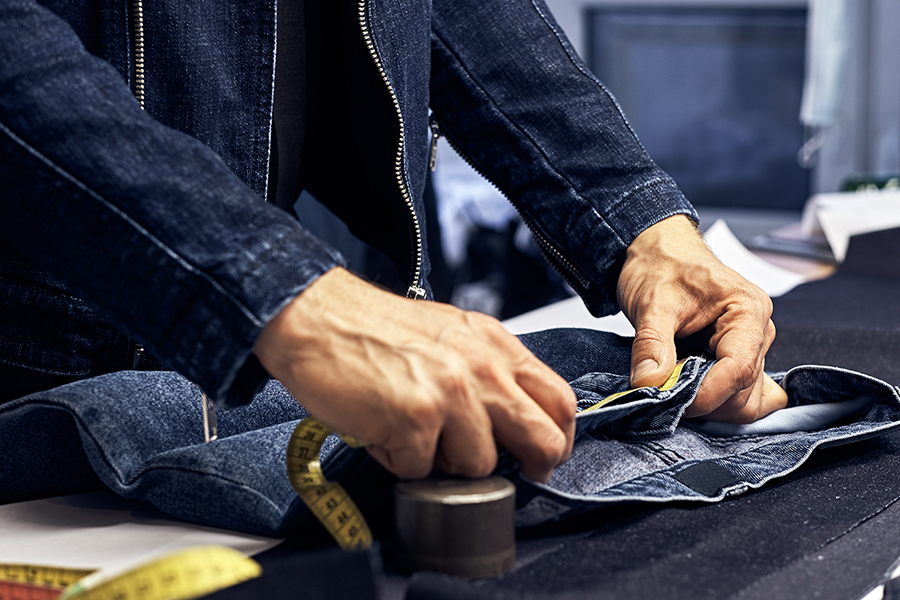
As the world’s largest garment exporter, China ships a vast quantity of knitted and woven apparel products to the global market every year. As a critical link connecting manufacturers and buyers, third-party inspection has become the core means to ensure products meet market requirements and avoid trade risks. Professional third-party inspection, through standardized processes and inspection systems, identifies product defects in advance, helping brands and buyers avoid returns, claims or even market bans caused by quality issues.
I. Core Types and Applicable Scenarios of Garment Inspection
Garment inspection is not a single-stage check but a quality control system covering the entire production cycle. According to different production stages, it is mainly divided into four core services, among which pre-shipment sampling inspection is the most mainstream choice in foreign trade scenarios.
Pre-production Inspection (PPI) is usually conducted before mass production starts. It focuses on verifying raw material quality, consistency between pre-production samples and customer-approved samples, and the feasibility of production processes. This link can avoid mass rework caused by fabric mismatch, pattern errors and other issues from the source, minimizing production losses.
During Production Inspection (DUPRO) is generally carried out when 20%-30% of production is completed. Inspectors will go deep into the production line, spot-check semi-finished products, identify process defects, size deviations, color differences and other issues, correct non-standard operations in a timely manner, and prevent problems from spreading.
Pre-shipment Inspection (PSI) is the core link of foreign trade inspection. It requires the factory to complete 100% production and 80% of products to be packaged. Inspectors will randomly select samples from the entire batch of goods in accordance with the internationally accepted AQL (Acceptable Quality Limit) sampling standard for comprehensive inspection, confirming that the quantity, quality and safety performance of the products meet the requirements of the procurement contract.
100% Inspection applies to high-value, high-risk or extremely high-quality garment categories. Inspectors will check each product one by one to ensure zero-defect delivery, which is common in luxury children’s wear, high-end custom clothing and other fields.
II. Standardized Full Process of Garment Inspection
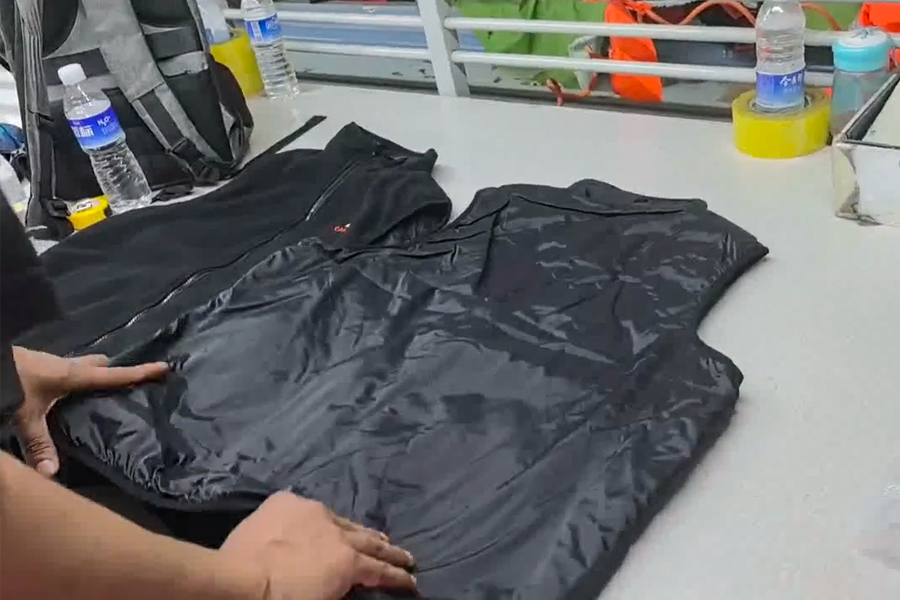
Professional third-party garment inspection follows strict standardized processes to ensure the objectivity and accuracy of inspection results. The complete process consists of six core steps.
1. Pre-departure Preparation
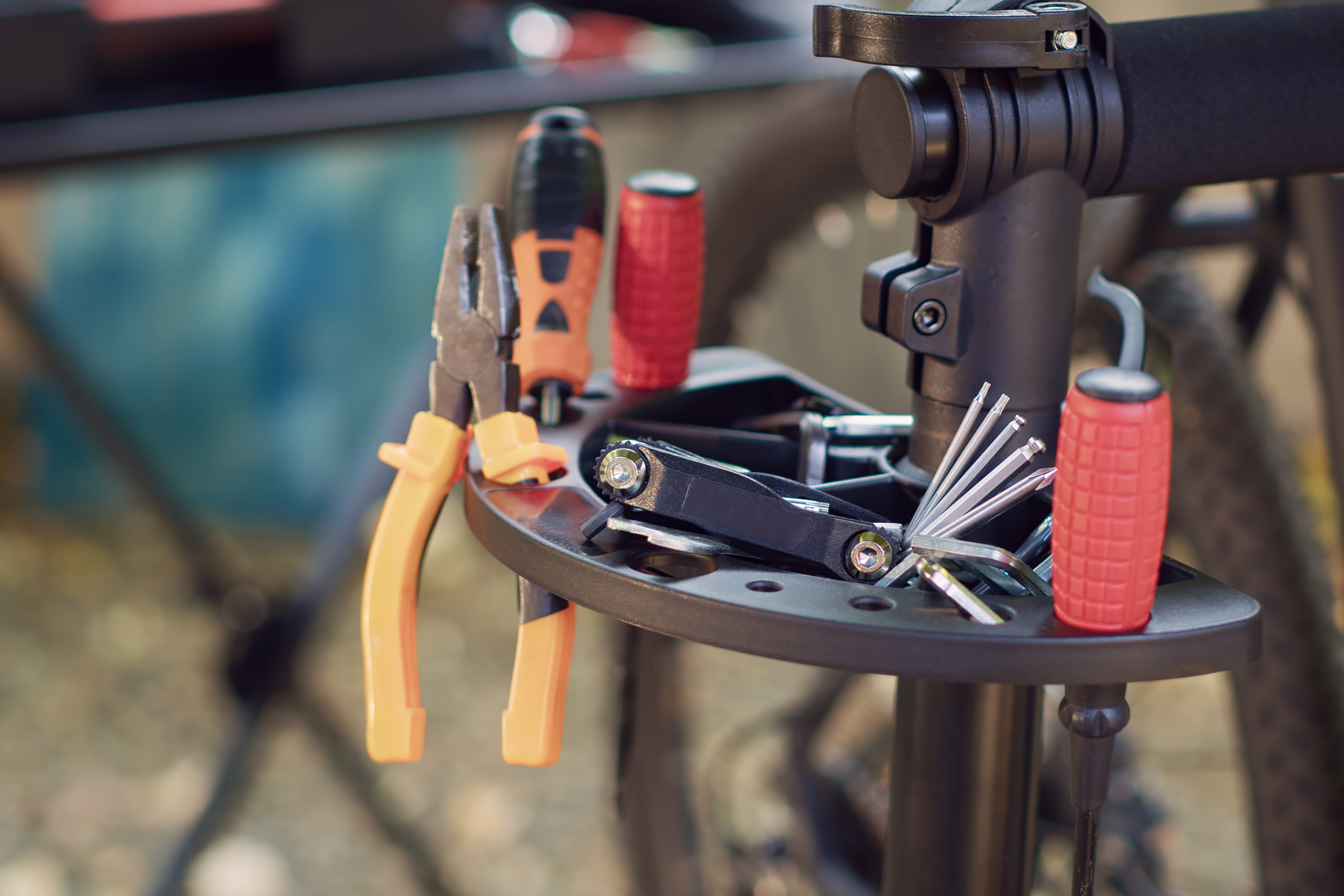
Before departure, inspectors need to prepare a full set of inspection tools, including measuring tools, standard color cards, gray scale cards, recording equipment, marking tools, as well as special equipment such as barcode scanners and hygrometers. For special materials or high-risk products, protective equipment such as masks, gloves and hats should also be equipped. At the same time, it is necessary to check order information in advance and confirm the factory’s production progress and address.
2. Pre-inspection Work
After arriving at the factory, inspectors need to communicate with the factory production manager, clarify the type of inspection, product scope and inspection standards for this time, verify that the inspection order number, style number, shipment quantity and batch are consistent with the customer’s application form, and confirm whether there are the latest approved samples, modification opinions or special inspection requirements.
3. Carton Sampling and Sample Selection
Carton sampling must follow the random principle. Samples are drawn from outer cartons in different stacking areas, and the whole process must not leave the inspector’s sight to prevent the factory from replacing cartons or samples. After opening the cartons, first count the quantity, color and size ratio of products in each carton, and check the consistency with the packing list and outer carton marks. Then take out samples one by one from the selected cartons, place them separately and conduct a lot-to-lot color difference test to check whether there is obvious color difference between different batches of products. Before opening the individual packaging, it is necessary to first verify whether the packaging method, hang tag position, etc. meet customer requirements.
4. On-site Comprehensive Inspection
When inspecting a single garment, follow the order of “top to bottom, left to right, front to back, inside to outside” to ensure coverage of all parts of the product. After finding defective products, immediately paste defect arrow stickers and take photos for record, and classify and count them according to critical defects, major defects and minor defects. All selected samples must be fully inspected, and during the inspection process, always pay attention to whether the factory has the behavior of replacing samples.
5. Completion of Inspection
After the on-site inspection is completed, inspectors need to sort out the inspection data, fill in a draft report, and clearly and accurately feedback the inspection results, defect types and judgment standards to the factory. For disputed issues, check the samples against the approved samples on site, and end the on-site inspection only after the factory manager signs and confirms.
6. Issuance of Formal Report
Inspector Online can issue a complete formal inspection report within as fast as 4 hours after the inspection is completed, including text descriptions, defect photos, test data and video materials, and clearly give a judgment conclusion of “Pass”, “Hold” or “Fail”, providing a reference for customers’ shipment decisions.
III. Core Inspection Points of Garment Inspection
The inspection of garment products covers multiple dimensions such as appearance, craftsmanship, materials and packaging. Any omission in any link may affect the market acceptance of the product.
1. Appearance and Craftsmanship Inspection
Lay the garment flat on a smooth inspection table, unbutton all buttons and zippers, and conduct an overall inspection under natural light or standard light source at an arm’s length. First, check whether the style, pattern, material and design of the product are consistent with the approved sample, check for obvious defects such as stains, oil stains and holes, and ensure that each piece of a set of products is symmetrical and coordinated.
Craftsmanship inspection is the core link. It is necessary to focus on checking stitch quality (stitch density, whether there are skipped stitches, broken threads, loose threads), seam strength, embroidery and printing quality (whether there is base exposure, cracking, peeling), ironing smoothness, etc. At the same time, check the symmetry of the garment, such as whether the left and right sleeve lengths, shoulder widths and pocket positions are consistent.
2. Color and Material Inspection
Color inspection must be carried out under the D65 standard light source. If there is no light box on site, it must be completed under sufficient north-facing natural light. Compare the color difference between the bulk goods and the approved sample. A color difference lower than grade 4 for dark products and lower than grade 4-5 for light products will be judged as unqualified. At the same time, check whether there is color difference between different parts of the same garment and between different products of the same batch, and whether the fabric has material defects such as elastic breakage, pilling and snagging. Feel the hand feel, thickness and drape of the fabric by touch to confirm consistency with the approved sample.
3. Labeling and Accessories Inspection
Labeling of garments is a key point in cross-border trade. It is necessary to check whether the position, content and fixing method of trademarks, care labels, content labels and country of origin labels meet the requirements. Accessories inspection includes buttons, zippers, hook-and-loop fasteners, decorative parts, etc. It is necessary to check their quantity, style, color and adhesion fastness, test whether the accessories are easy to fall off with a pulling force of about 5-7 pounds (equivalent to the force required to pull open a soda can tab), and at the same time check whether the zippers open and close smoothly and the buttons are firm.
4. Packaging Inspection
Packaging inspection is divided into inner packaging and outer packaging. For inner packaging, check whether the material, size and printing content of poly bags meet the requirements, whether necessary warning labels are printed on the poly bags, and whether auxiliary materials such as tissue paper, cardboard inserts and desiccants are complete. For outer packaging, verify the material, size and sealing method of the outer cartons, check whether the shipping mark content is clear and accurate, and whether the size and color ratio are consistent with the order.
IV. On-site Tests for Cross-Border Garment Inspection
Different countries have strict mandatory regulatory requirements for imported garments, especially for children’s clothing products, which have more stringent safety standards. These are the key points that must be focused on during the inspection process.
1. Mandatory Labeling and Safety Regulations
In terms of labeling, major markets such as the United States, the European Union and Canada all require garments to be clearly marked with fabric composition, country of origin and care instructions. The content label must list each fiber component and its percentage in descending order of content. Components with a content of less than 5% can be marked as “other fibers”. The country of origin label must be sewn on the permanent label of the garment, and both the product and the outer packaging must be marked.
For children’s clothing for ages 12 and below, the United States mandates the addition of tracking labels, and also has strict regulations on the use of drawstrings: drawstrings are prohibited in the head and neck areas of children’s clothing in sizes 0-16; the exposed length of drawstrings in the waist and hem areas shall not exceed 76mm, the ends of the drawstrings shall not have knots or attachments, and they must be stitched and fixed to the garment at the middle position to prevent being completely pulled out. The European Union controls drawstrings and small parts of children’s clothing in accordance with the EN 14682 standard.
2. Mandatory On-site Test Items
To fully verify the product quality and safety, a number of standardized tests need to be carried out on the inspection site:
- Drop Test: Conduct the “one point, three lines, six sides” drop test in accordance with the ISTA-1A standard to verify the transportation protection capability of the outer cartons;
- Needle Detection Test: All children’s clothing for ages 0-12 and stuffed textile products must undergo needle detection test. Calibrate the needle detector using the 9-point calibration method to check for residual metal foreign objects such as broken needles;
- Pull Test: For small parts of children’s clothing, use a tension gauge to pull evenly to the specified force within 5 seconds and maintain it for 10 seconds to check whether the parts fall off;
- Color Fastness Test: Test the color fading of the fabric through dry rub and wet rub tests;
- Tape Test: Use 3M 600 tape to tear off quickly at a 90-degree angle to check whether the printing and electroplated surfaces fall off;
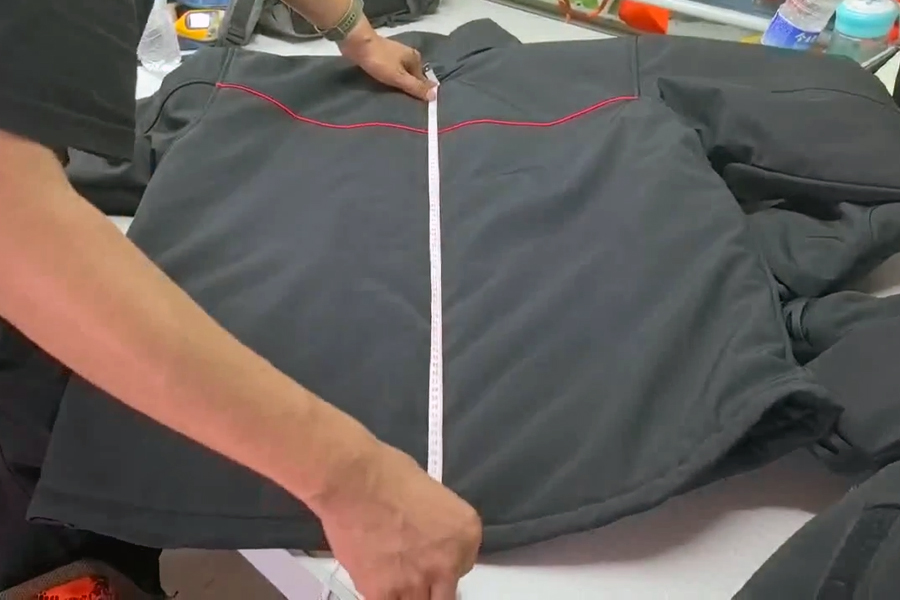
- Size Measurement: Strictly measure the size of each part of the garment according to the size chart provided by the customer. Exceeding the tolerance range will be judged as unqualified.
In addition, barcode scanning test, grammage check, odor and mold test, functional test (opening and closing of zippers and buttons), etc. are also required. If necessary, the pattern and wearing comfort of the garment can be verified through mannequin or real-person fitting.
Third-party garment inspection is an indispensable quality assurance link in cross-border garment trade. With the continuous improvement of global market requirements for garment quality and safety, only by choosing a professional third-party inspection institution and establishing a quality control system covering the entire production cycle can we effectively reduce trade risks and enhance the international market competitiveness of products. For garment inspection services, please feel free to contact Inspector Online.