In 2025, the General Administration of Customs conducted random inspections on 755 batches of import and export commodities, among which 134 batches were found non-compliant, registering an overall non-conformity rate of 17.75%. Home appliances were one of the key categories under random inspection. The main non-conformities included defective plugs and pins, substandard insulating materials, as well as non-compliant markings and instructions.
Reference Link:http://www.customs.gov.cn/sjs/2026-06/02/article_2026060214192738300.html
I. Three Core Stages of Home Appliance Inspection
1. Pre-production Inspection (PPI)
Objective: Confirm that raw material quality, production processes, and production equipment meet requirements
Inspection Content:
- Verify raw material specifications, brands, and quality certification documents
- Check the calibration status and operational condition of production equipment
- Confirm that first-article samples comply with design drawings and customer requirements
- Review the factory’s production schedule and quality control processes
Objective: Identify production issues in a timely manner to avoid batch non-conformities
Inspection Content:
- Spot-check the quality of semi-finished products on the production line
- Verify the implementation of production processes
- Confirm the handling procedures for non-conforming products
- Assess whether production progress can meet delivery deadlines
Objective: Comprehensively confirm that finished product quality, quantity, and packaging comply with contract requirements
Inspection Content: This is the most critical step in home appliance inspection, and its complete process is detailed below.
II. Standard Process for Pre-shipment Inspection of Home Appliances
Step 1: Sampling and Quantity Verification
- Randomly select representative samples from the entire batch of goods in accordance with AQL standards
- Verify that product quantity, models, and specifications are consistent with the order and packing list
- Check the labeling of product batch numbers, production dates, and serial numbers
Step 2: Packaging and Labeling Inspection
- Check whether the material, size, and strength of outer cartons meet transportation requirements
- Confirm that inner packaging cushioning materials are sufficient to effectively protect products
- Verify that shipping mark information (consignee, destination, carton number, gross/net weight, etc.) is clear and accurate
- Validate that information on product nameplates (voltage, frequency, power, certification marks, etc.) complies with the requirements of the importing country
Step 3: Visual Inspection
- Check product surfaces for scratches, deformations, color differences, burrs, and other defects
- Inspect plastic parts for cracks, shrinkage, flash, and other issues
- Check metal parts for rust, oxidation, and plating peeling
- Verify that assembly gaps between components are uniform and tight
Step 4: Functional Testing
- Power-on test: Check whether the product can start and operate normally
- Performance test: Verify that the product’s main functions meet design specifications
- Safety test: Check safety parameters such as ground resistance, insulation resistance, and leakage current
- Durability test: Conduct short-term continuous operation tests on key components
Step 5: Structure and Accessories Inspection
- Check whether the product structure is firm and whether all connection parts are loose
- Inspect the quality and installation of power cords, plugs, switches, and other components
- Verify that accessories (instruction manuals, warranty cards, power cords, remote controls, etc.) are complete
- Check that screws, nuts, and other fasteners are complete and tightened
Step 6: Electrical Safety Testing
- Ground continuity test: Ensure good electrical connection between the product’s metal shell and ground terminal
- Insulation resistance test: Test the insulation performance between live parts and the shell
- Leakage current test: Measure whether the leakage current of the product under normal operation is within the safe range
- Dielectric withstand test: Verify that the product can withstand the specified voltage without breakdown
Step 7: Operational Testing
- Run the product continuously for 30-60 minutes at rated voltage
- Observe whether the product operates smoothly without abnormal noise, vibration, or odor
- Check the temperature rise of the product to ensure that the temperature of key components does not exceed safety limits
- Test whether all control and adjustment functions of the product work properly
Step 8: Issuance of Inspection Report
- The inspector fills out a detailed inspection report based on the test results
- The report clearly indicates qualified items, unqualified items, and the severity of defects
- On-site photos are attached as evidence
- A final inspection conclusion (Pass / Fail / Conditional Pass) is provided
III. Core Inspection Points for Different Categories of Home Appliances
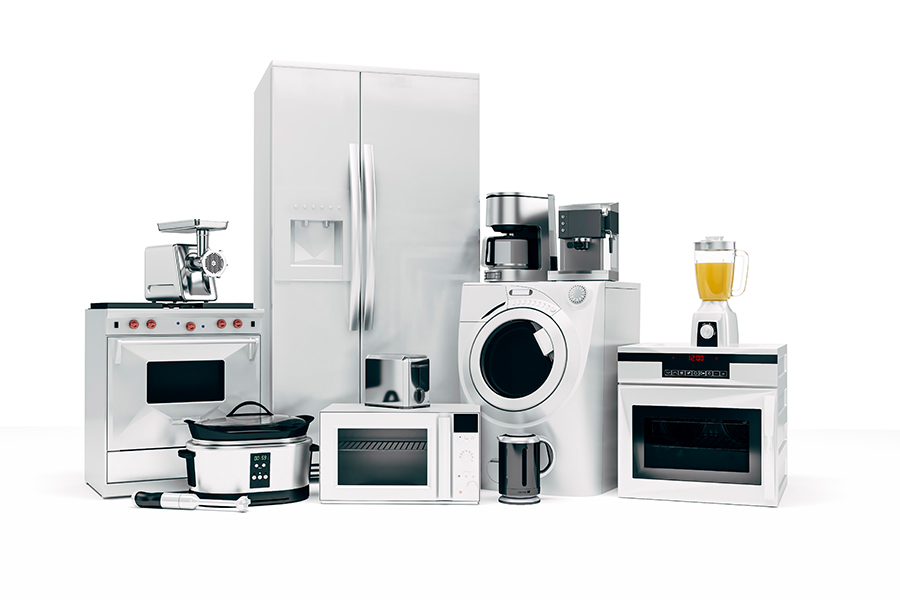
1. Major Home Appliances (Refrigerators, Washing Machines, Air Conditioners)
- Refrigeration performance test: Check whether the temperatures of the refrigerator and freezer compartments can reach the set values
- Sealing performance test: Verify whether door seals are tight and free of cold leakage
- Noise test: Measure the noise decibel level during compressor operation
- Defrost function test: Check whether the automatic defrost system works properly
- Washing performance test: Check the cleanliness of laundered clothes
- Spin performance test: Measure the moisture content of clothes after spinning
- Balance performance test: Check whether the machine vibrates violently during high-speed spinning
- Water leakage test: Verify whether there is water leakage at the inlet pipe, drain pipe, and machine connections
- Cooling/heating performance test: Check whether the air outlet temperature meets requirements
- Air volume test: Measure the air volume at different fan speed settings
- Noise test: Measure the operating noise of the indoor and outdoor units
- Refrigerant leakage test: Check for refrigerant leaks at pipe connections
2. Small Home Appliances (Rice Cookers, Electric Kettles, Microwave Ovens)
- Cooking performance test: Check the doneness and uniformity of cooked rice
- Heat preservation performance test: Verify temperature maintenance during heat preservation mode
- Dry-burn protection test: Confirm that the cooker automatically cuts off power when operating without water
- Inner pot coating adhesion test: Check whether the coating is prone to peeling
- Heating speed test: Measure the time required to boil water
- Automatic power-off test: Check whether the kettle cuts off power promptly after water boils
- Dry-burn protection test: Verify the protection function when operating without water
- Lid sealing performance test: Check for water leakage when the kettle is tilted
- Heating uniformity test: Check the uniformity of food heating
- Microwave leakage test: Detect microwave leakage using professional equipment
- Door interlock switch test: Confirm that microwave emission stops immediately when the door is opened
- Turntable operation test: Check whether the turntable rotates smoothly
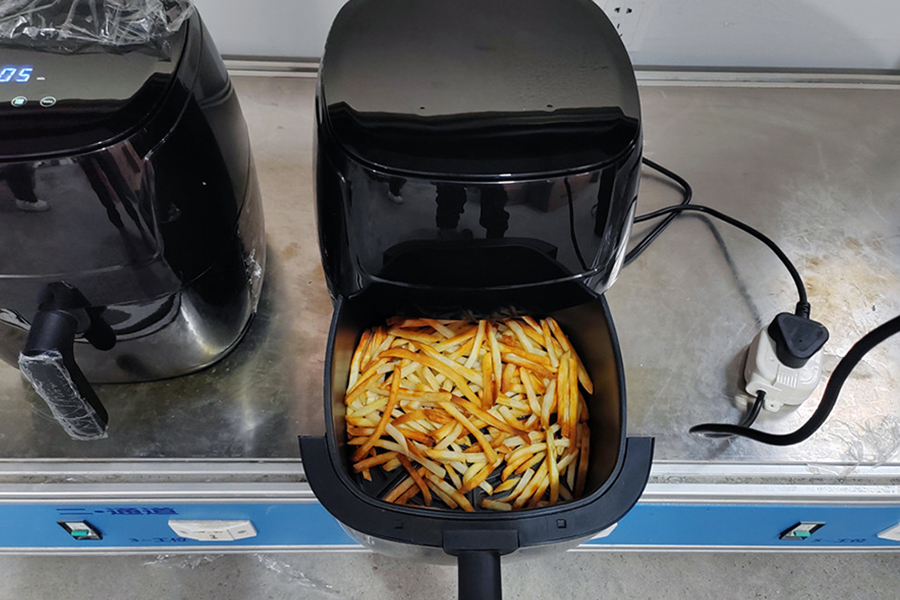
3. Kitchen Appliances (Range Hoods, Gas Stoves, Dishwashers)
- Air volume and air pressure test: Measure air volume and air pressure at different speed settings
- Noise test: Measure the noise level at maximum air volume
- Lighting function test: Check whether the lights work properly
- Grease separation efficiency test: Verify the separation effect of grease from cooking fumes
- Ignition performance test: Check ignition success rate and speed
- Flame condition test: Observe whether the flame is blue, stable, and free of lift-off
- Flame failure protection test: Confirm that gas supply is automatically cut off when the flame is accidentally extinguished
- Airtightness test: Check for gas leaks at gas pipes and valve connections
IV. Common Quality Issues in Home Appliance Inspection
- Electrical safety issues: Poor grounding, inadequate insulation performance, excessive leakage current, non-compliant power cords, etc.
- Functional defects: Poor cooling/heating effect, insufficient cleaning, uneven heating, excessive noise, etc.
- Visual defects: Surface scratches, deformations, color differences, uneven assembly gaps, etc.
- Packaging issues: Poor quality packaging materials, insufficient cushioning, incorrect shipping mark information, etc.
- Accessory issues: Missing accessories, mismatched accessory models, poor accessory quality, etc.
- Labeling issues: Incomplete nameplate information, incorrect certification marks, inaccurate instruction manual content, etc.
V. Why Choose Professional Third-Party Home Appliance Inspection Services
1. Objective and Impartial Third-Party Perspective
2. Professional Inspection Technology and Equipment
3. Reduce Procurement Risks
4. Improve Supply Chain Efficiency
5. Comply with Importing Country Regulatory Requirements
VI. Inspector Online: Your Trusted Partner for Home Appliance Quality Control
- Over 2,000 experienced professional inspectors covering all major production bases in China
- Strict inspection standards and processes to ensure accurate and reliable inspections every time
- Advanced testing equipment capable of comprehensive electrical safety and performance testing
- The fastest delivery of bilingual (Chinese-English) reports within 4 hours, keeping you updated on product quality in a timely manner
- Transparent and reasonable pricing with no hidden fees
- Pre-production Inspection
- During Production Inspection
- Pre-shipment Inspection
- Full Inspection Service
- Factory Audit
- Container Loading Supervision
VII. Frequently Asked Questions (FAQ)
Q1: How long does home appliance inspection take?
A1: Typically, inspection of a 20-foot container of small home appliances takes 1 working day, while major home appliances may take 1-2 working days. The specific time depends on the complexity of the product and the number of inspection items.
Q2: How are inspection fees calculated?
A2: Our inspection fees are mainly calculated on a per-man-day basis, with prices varying by region and type of inspection service. You can contact our customer service team with product information and inspection location, and we will provide you with a detailed quotation.
Q3: What if the inspection result is unqualified?
A3: If the inspection result is unqualified, we will list all non-conforming items in detail in the report and provide rectification suggestions. You can require the factory to make rectifications within a specified time, and we will conduct a re-inspection after the rectification is completed until the products are qualified.
Q4: How are your inspectors trained?
A4: All our inspectors undergo rigorous professional training and assessment and are familiar with the inspection standards and processes for various home appliances. In addition, we organize regular training to update inspectors’ knowledge and skills, ensuring they are competent for all complex inspection tasks.
Home appliance quality is directly related to consumers’ personal safety and user experience, as well as buyers’ brand reputation and market competitiveness. Establishing a sound quality control system and choosing professional third-party inspection services are inevitable choices for home appliance buyers to avoid risks and achieve sustainable development.